
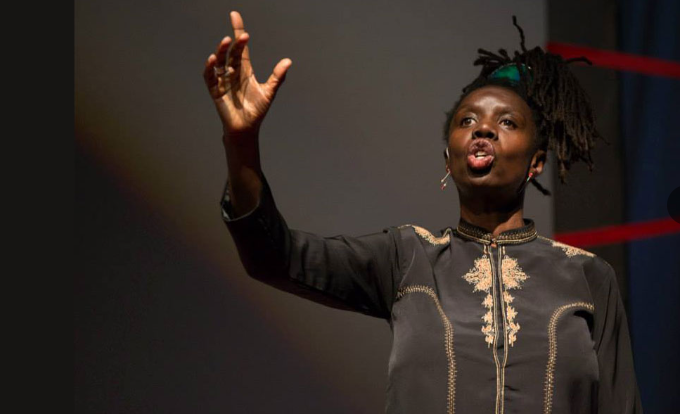

In the realm of mindfulness and mindfulness speakers , many teachers offer valuable insights, but few stand out with the depth, clarity, and compassion of Valerie Mason-John. A trailblazer in integrating mindfulness with emotional healing and transformative practice, Mason-John has become a powerful voice for those seeking a deeper, more meaningful mindfulness journey. Through her books, teachings, and workshops, she invites us to explore the untapped potential of mindfulness—not just as a technique for stress reduction, but as a pathway to self-discovery, liberation, and healing.
Valerie Mason-John is a respected teacher and author whose work beautifully blends mindfulness with concepts of self-compassion, healing from trauma, and living with authenticity. Her teaching style is warm, approachable, and deeply personal, which resonates with practitioners of all backgrounds. Whether you’re a mindfulness beginner or a seasoned practitioner, Valerie’s teachings offer profound lessons that can truly deepen your practice and bring you closer to living a more intentional life.
1. Mindfulness as a Tool for Healing
Valerie Mason-John’s approach to mindfulness emphasizes the importance of healing and self-compassion. In her teachings, mindfulness is not just about being present—it’s about being present with ourselves, especially when we’re feeling vulnerable, hurt, or disconnected. For Mason-John, mindfulness provides the space to acknowledge and work through past wounds, without judgment or shame.
Her book, Mindfulness and the Art of Managing Anger, is one of the key resources that explores this very theme. In it, she discusses how mindfulness can be a transformative tool for emotional healing, especially when it comes to anger, a powerful emotion many of us suppress or struggle to control. Mason-John advocates for approaching difficult emotions with compassion and curiosity, rather than fear or avoidance. This practice allows us to transform these emotions into opportunities for personal growth and deeper self-understanding.
Mason-John’s teachings around emotional healing help mindfulness practitioners move beyond mere surface-level awareness to develop a compassionate relationship with their inner struggles. By becoming more aware of the emotions that reside within us and approaching them with gentleness, we open the door to lasting emotional freedom.
2. Embracing the Shadow Self
One of Valerie Mason-John’s most unique contributions to mindfulness is her emphasis on integrating the "shadow self" into our practice. Borrowing from Jungian psychology, the shadow represents the parts of ourselves that we hide or repress—our flaws, fears, and negative traits. Many mindfulness teachings focus on cultivating positive states of mind, such as calm and joy, but Mason-John teaches us that we must also be present with the parts of us we tend to ignore or deny.
In her work, Mason-John encourages us to explore the darker aspects of ourselves with kindness and acceptance. Instead of pushing away negative feelings like anger, jealousy, or guilt, she suggests we bring them into our awareness, without judgment. By doing so, we can heal and integrate these parts, making us more whole and balanced human beings. Her method invites practitioners to move beyond the illusion of perfection and to embrace the totality of their being, including the parts they may have previously rejected.
This holistic approach helps deepen mindfulness because it encourages a level of acceptance and awareness that transcends simple “calmness.” It’s about embracing all of life’s experiences, the light and the dark, with openness and without resistance.
3. Cultivating Compassionate Presence
Mason-John’s teachings also emphasize the importance of compassionate presence, not just toward others but toward ourselves as well. In a world that often rewards productivity and perfection, it’s easy to fall into patterns of self-criticism and unkindness. Her mindfulness practices encourage us to approach ourselves with patience, tenderness, and love.
One powerful concept she often teaches is “Radical Compassion,” a practice that goes beyond conventional mindfulness. Radical compassion requires us to show up for ourselves, no matter how difficult or uncomfortable the situation may be. It’s about being willing to face ourselves without turning away, especially when we feel flawed, angry, or unworthy. Through mindfulness and radical compassion, we can foster an inner space where we are no longer our harshest critics but our most loving allies.
This practice of compassionate presence is transformative in that it doesn’t just help us regulate our emotions or reactions—it helps us cultivate a genuine, loving relationship with ourselves, paving the way for a life that feels grounded, authentic, and meaningful.
4. Integrating Mindfulness with Everyday Life
Another significant aspect of Valerie Mason-John’s teachings is the integration of mindfulness into daily life. While many mindfulness teachers emphasize sitting meditation as the core of practice, Mason-John encourages her students to bring mindfulness into all moments of life. Whether you’re washing dishes, driving, or interacting with a friend, she advocates for mindfulness that permeates every aspect of your existence.
This practice is deeply humanizing, as it encourages mindfulness not just as a practice confined to a cushion but as a way of being in the world. It challenges us to move beyond the idealized version of mindfulness and embrace the messiness and unpredictability of life. Mason-John’s approach encourages practitioners to be present with whatever arises, in all its beauty and imperfection.
For example, her teachings often guide individuals on how to mindfully navigate moments of conflict or discomfort, showing us how mindfulness can be a tool for more authentic and compassionate interactions with others. By incorporating mindfulness into everyday life, we begin to live with more intention, more presence, and a deeper connection to the people and experiences around us.
5. Practical Mindfulness Tools
One of the most effective aspects of Mason-John’s teachings is her ability to provide practical tools for integrating mindfulness into real life. From guided meditations to writing exercises, she offers a variety of techniques that allow practitioners to engage with mindfulness in ways that suit their needs. These tools are accessible, empowering, and easy to apply, making her teachings especially practical for busy people looking to infuse their lives with greater presence.
Whether through her mindfulness workshops, retreats, or online courses, Valerie Mason-John equips her students with actionable skills they can carry with them long after the class is over.
Conclusion: A Transformative Mindfulness Journey
Valerie Mason-John’s teachings offer a deeply enriching and transformative approach to mindfulness. By blending emotional healing, self-compassion, and radical acceptance, she provides a fresh perspective on what it means to practice mindfulness in the modern world. Whether you’re struggling with emotional wounds, seeking to integrate your shadow self, or simply looking for a more authentic path to mindfulness, her work invites you to go deeper and embrace all aspects of your humanity.
Through her warm, insightful guidance, Valerie Mason-John’s teachings have the power to deepen your mindfulness practice and help you navigate life with greater presence, compassion, and love. It’s a journey worth taking—and one that promises profound transformation along the way.