
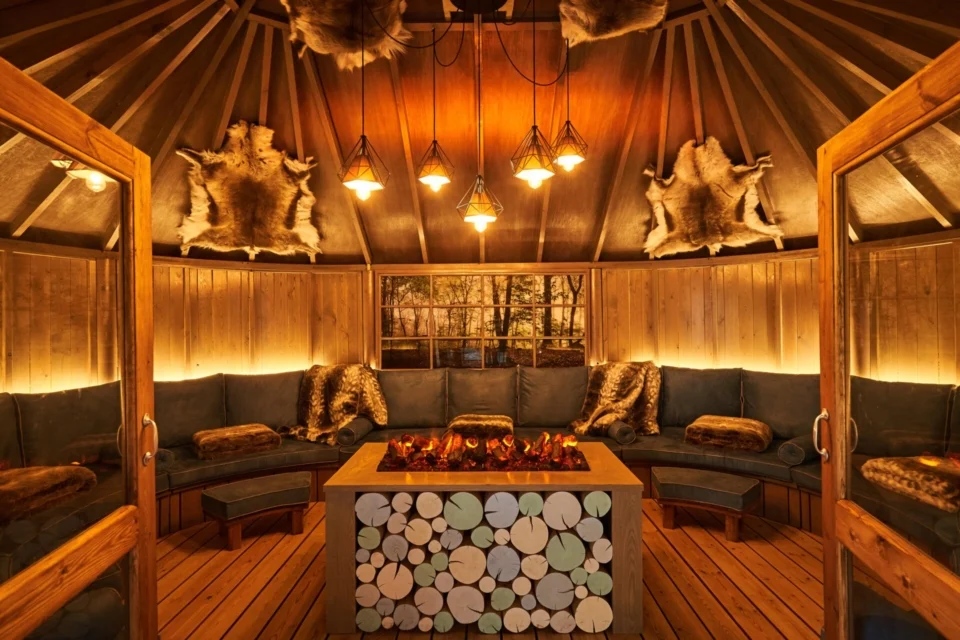

When you think about creating a biodiverse garden, the first step is understanding how various elements can work together to foster an ecosystem. Choosing the right native plants is crucial, but it’s just the beginning. You’ll find that incorporating custom wooden gazebos not only enhances the visual appeal but also creates unique spaces that encourage interaction with nature. As you plan your garden, consider how these structures can support biodiversity in unexpected ways; the choices you make will impact your garden in ways you might not initially realize. What comes next might surprise you. bespoke gazebos.
Understanding Biodiversity in Gardening
When you think about gardening, consider that biodiversity plays a crucial role in creating a thriving ecosystem. A diverse range of plants, insects, and microorganisms fosters a balanced environment where all elements support one another. By incorporating various species, you help improve soil health, enhance pollination, and reduce pest outbreaks.
Understanding biodiversity means recognizing the importance of native plants. These species are well-adapted to your local climate and soil, making them more resilient and beneficial to your garden. Additionally, they often attract beneficial insects, like bees and butterflies, that contribute to pollination.
You should also think about layering different plant heights and types. This strategy creates habitat variety, providing shelter and food for local wildlife. Ground covers can suppress weeds, while flowering plants attract pollinators and insect eaters.
Another aspect to consider is the incorporation of water features. A small pond or birdbath not only enhances aesthetics but serves as a habitat for frogs, beneficial insects, and other wildlife.
Emphasizing biodiversity in your garden layout cultivates a more resilient ecosystem, creating a space that’s both beautiful and sustainable.
Choosing the Right Plants
Choosing the right plants for your garden is essential to maximizing biodiversity and creating a thriving ecosystem. By selecting a variety of native species, you’ll attract local wildlife, such as pollinators, birds, and beneficial insects.
Start by researching plants that thrive in your area. Native plants are adapted to the local climate and soil, making them easier to maintain and more resilient to pests and diseases.
Consider including a mix of flowering plants, shrubs, and trees. Perennials are great for long-term sustainability, while annuals can provide seasonal color and attract different pollinators.
Incorporate plants with varying bloom times to ensure year-round food sources for wildlife.
Don’t forget about layering your plants. Taller species can provide canopy cover for understory plants, creating a more diverse habitat.
Additionally, mix in some ground cover plants to help reduce weeds and enhance soil health.
Designing Your Garden Layout
After selecting a diverse range of plants, the next step is to create a layout that enhances their growth and encourages wildlife visits. Start by observing the sunlight patterns in your garden. Identify areas that receive full sun, partial shade, or full shade, and place your plants accordingly. Some plants thrive in bright light, while others prefer a cooler, shaded environment.
Next, consider the height of your plants. Position taller plants at the back or center of borders, with shorter plants in front. This way, all your plants will receive adequate sunlight and have enough space to grow without competition.
Incorporate curves and varied shapes in your design to create an inviting atmosphere that attracts pollinators and other wildlife. Create small pockets or clusters of plants to promote biodiversity, making it easier for beneficial insects to find food and shelter.
Don’t forget to leave paths for easy access, maintenance, and exploration. Finally, be mindful of planting arrangements that create a sense of harmony and flow, ensuring your garden not only looks beautiful but also supports a thriving ecosystem.
Incorporating Custom Wooden Gazebos
Adding a custom wooden gazebo to your garden not only enhances its aesthetic appeal but also creates a perfect spot for relaxation and socializing. Imagine sipping your morning coffee while enjoying the peaceful sounds of nature or hosting a gathering with friends and family under the elegant structure.
The versatility of wooden gazebos allows you to customize them to fit your garden’s theme and your personal style.
When you choose the design, consider the overall layout of your garden. Position your gazebo near focal points, like a flower bed or pond, to draw the eye and create a cohesive look.
You can also incorporate built-in seating and decorative features, such as hanging plants or outdoor lighting, to make the space inviting.
Don’t forget about accessibility; ensure your gazebo is easy to reach from paths and seating areas. This will encourage use and make your garden feel more connected.
Maintaining a Thriving Ecosystem
Creating a stunning garden oasis with features like a custom wooden gazebo sets the stage for a vibrant ecosystem.
To maintain that ecosystem, you’ll need to adopt some key practices. Start by planting a diverse range of native plants. They’ll support local wildlife, provide food, and create habitats for pollinators and beneficial insects.
Regularly monitor your garden for signs of imbalance, like pest infestations or overgrowth. Use natural pest control methods, such as introducing ladybugs or planting garlic and marigold to deter harmful insects.
Water your plants efficiently; drip irrigation works wonders while conserving water.
Mulching helps retain moisture and suppress weeds, and it enriches the soil as it decomposes.
Don’t forget to create structural diversity by adding features like rock piles or logs, which serve as shelters for various creatures.
Compost your kitchen scraps and yard waste to enhance soil health.
Lastly, be patient! Ecosystems take time to flourish.
Observe your garden, adjust your care strategies, and celebrate the biodiversity that develops.
With your attention and effort, your garden will thrive as a balanced and flourishing ecosystem for years to come.
Conclusion
By thoughtfully designing your biodiverse garden with custom wooden gazebos, you’re not just creating beauty but also supporting local ecosystems. You’ll attract beneficial wildlife and foster a thriving habitat. As you incorporate various native plants and efficient watering methods, remember that every choice plays a part in maintaining this vibrant space. Enjoy the process, connect with nature, and watch your garden flourish while enhancing the well-being of both you and the environment around you.