
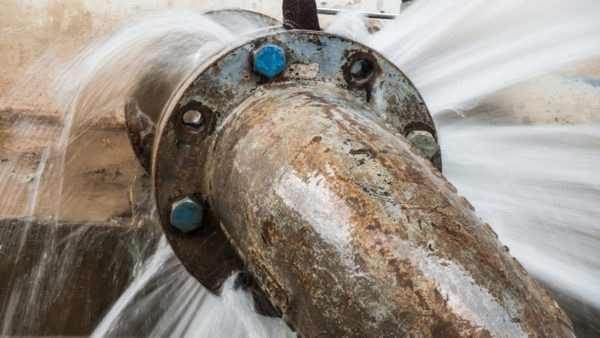

Water leaks may seem like a minor nuisance, but they can quickly escalate into costly disasters if left unaddressed. Whether it’s a slow drip under the sink or a hidden leak within your walls, undetected water leaks can cause significant structural damage, increase your utility bills, and even create hazardous living conditions. The good news? With quick detection and timely solutions, you can prevent major damage and save thousands of dollars.
In this article, we’ll explore the importance of water leak detection, common signs of leaks, and the best solutions to address them before they become a financial burden.
The Cost of Ignoring Water Leaks
Many homeowners and business owners don’t realize the true impact of water leaks until it’s too late. According to the Environmental Protection Agency (EPA), household leaks waste nearly 1 trillion gallons of water annually nationwide. A seemingly small leak can add up over time, causing:
High Water Bills
– A dripping faucet can waste up to 3,000 gallons of water per year, leading to unnecessary expenses.
Structural Damage
– Water can weaken foundations, cause wood to rot, and lead to sagging ceilings and walls.
Mold and Mildew Growth
– Excess moisture creates an ideal environment for mold, which can cause health issues like allergies and respiratory problems.
Electrical Hazards
– Water leaks near electrical outlets or wiring can lead to dangerous short circuits and fire risks.
Pest Infestations
– Damp areas attract pests like termites, cockroaches, and rodents, which can cause further damage to your property.
How to Detect Water Leaks Early
Catching a leak early can mean the difference between a simple fix and an expensive repair. Here are some common signs that indicate a potential water leak:
1. Unusually High Water Bills
If your water usage hasn’t changed but your bill has increased significantly, there may be a hidden leak in your plumbing system.
2. Damp or Discolored Walls and Ceilings
Water stains, bubbling paint, or peeling wallpaper are clear indicators of moisture buildup behind surfaces.
3. Low Water Pressure
A sudden drop in water pressure could mean that water is escaping through a hidden leak instead of reaching your faucets.
4. Musty Odors
Persistent damp or moldy smells are a telltale sign of water leaks and excess moisture.
5. Sounds of Running Water
If you hear water running when all faucets are off, there may be an unseen leak somewhere in your plumbing.
6. Wet Spots or Puddles
Finding unexplained wet spots around sinks, toilets, or even on floors could indicate an ongoing leak.
Quick and Effective Solutions for Barnes Cray leak detection Specialists Detection
Once you suspect a water leak, acting quickly is crucial. Here are some of the best solutions to detect and resolve leaks before they cause major damage.
1. Conduct a Simple Water Meter Test
To check for leaks, turn off all water fixtures and monitor your water meter. If the meter continues to move, you likely have a leak that needs to be addressed.
2. Inspect Visible Plumbing and Appliances
Regularly check under sinks, around toilets, and near water-using appliances like dishwashers and water heaters for signs of moisture or drips.
3. Use Food Coloring to Detect Toilet Leaks
Add a few drops of food coloring into the toilet tank. If the color appears in the bowl without flushing, there is a leak in the flapper valve.
4. Install Smart Water Leak Detectors
Smart water leak detection systems use sensors to monitor for leaks in real-time and send alerts to your smartphone if an issue is detected. Some systems even come with automatic shutoff valves to prevent water damage instantly.
5. Hire a Professional Leak Detection Service
For hidden leaks that are difficult to find, professional leak detection experts use advanced technology such as infrared cameras, acoustic sensors, and moisture meters to locate leaks without causing unnecessary damage to walls or floors.
6. Fix Leaks Immediately
Even small leaks should be repaired as soon as possible to prevent them from escalating. Common fixes include replacing worn-out washers, sealing pipe joints, and upgrading old plumbing fixtures.
Preventing Future Water Leaks
While fixing existing leaks is important, preventing future leaks is even better. Here are some proactive steps you can take to keep your home or business leak-free:
Regular Plumbing Inspections
– Schedule professional plumbing inspections at least once a year to catch potential issues before they become major problems.
Monitor Water Usage
– Keep track of your monthly water bills and usage patterns to detect anomalies early.
Upgrade Old Pipes and Fixtures
– Older pipes are more prone to leaks due to corrosion and wear. Consider upgrading to durable, leak-resistant materials.
Improve Drainage and Waterproofing
– Ensure that your property has proper drainage and waterproofing measures to prevent excess moisture buildup.
Insulate Pipes in Cold Weather
– Frozen pipes can burst, causing significant water damage. Insulating exposed pipes can help prevent this issue.
Final Thoughts
Water leaks are not just an inconvenience—they can lead to costly repairs, health risks, and wasted resources. By detecting leaks early and taking swift action, homeowners and business owners can prevent unnecessary damage and expenses. Whether through DIY methods or advanced smart water leak detection systems, investing in leak prevention is a wise decision that pays off in the long run.
Don’t wait until a small leak turns into a major disaster. Take action today and protect your property from water damage before it’s too late!